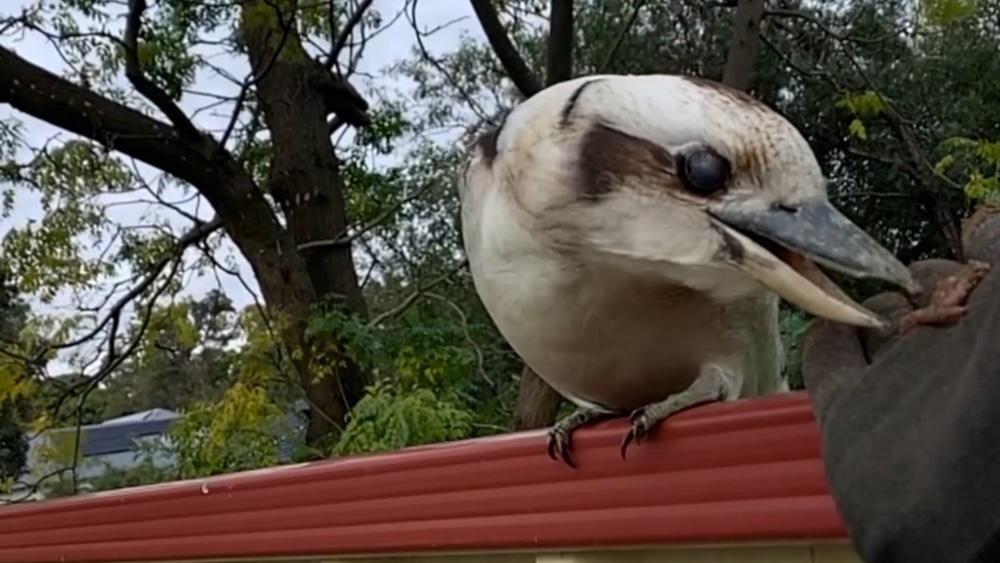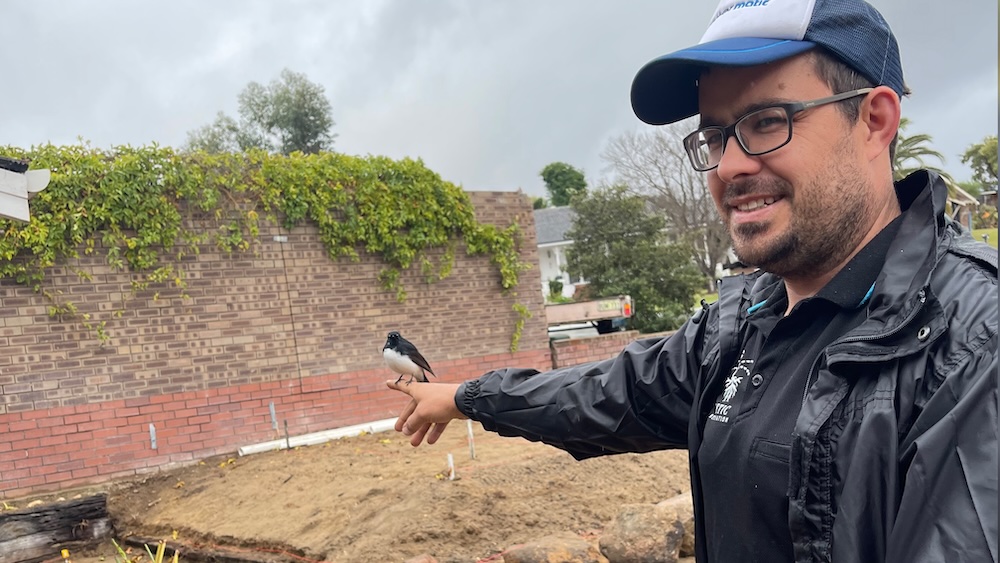
Native gardens can be truly stunning when installed correctly. Western Australia has some of the most beautiful and striking flowers in the world and the variety is huge. Not only that though — they are waterwise and suit our climate. Each project is done with care to ensure the best result for your garden.
Native Garden Design Perth
Let’s Build a Beautiful Garden Together
20+ years of landscaping experience
Waterwise, native garden design
Efficient reticulation & low-water systems
Supports local biodiversity (birds, bees, insects)
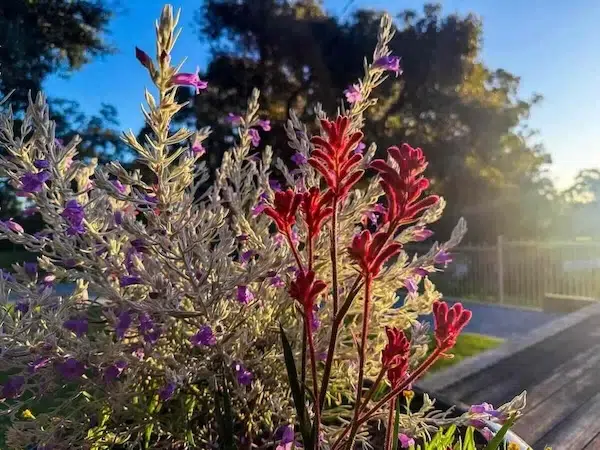
Native Garden Design and Installation
We specialise in designing and installing native gardens that suit Western Australia’s climate and soil. From thoughtful plant selection to waterwise irrigation setup, our team handles everything you need to create a healthy, low-maintenance garden that looks great and saves water. Here’s a quick rundown of what we offer.
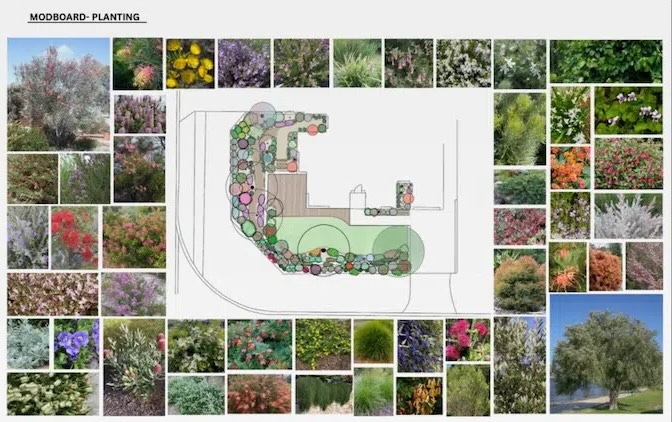
We take care of the full design process — selecting the right native plants, planning layouts that flow naturally, layering for visual appeal, and setting up irrigation zones that make sense for the space. We provide clear, formal design quotes and detailed plans upfront, so you know exactly what to expect before installation begins.
Once you approve the design, our team gets hands-on with planting native species and bringing your garden to life exactly as planned. We focus on careful installation to ensure your garden thrives from day one.
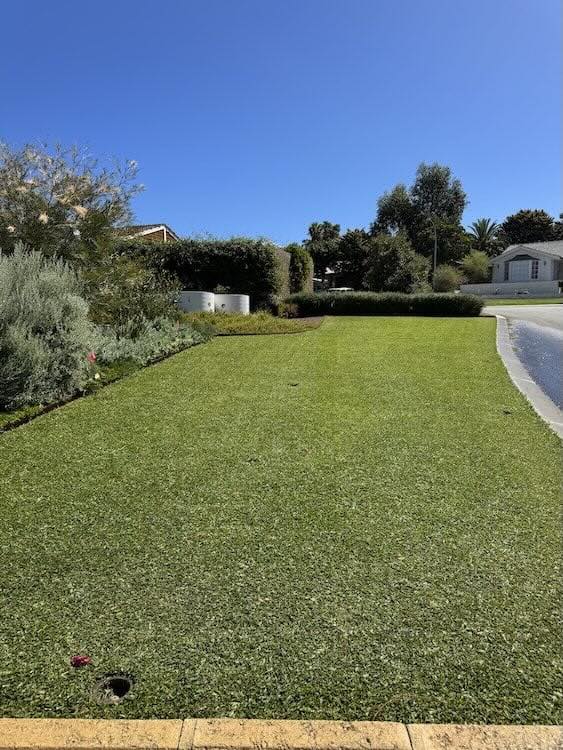
If your garden includes lawn areas, we prep the soil, lay the turf, and set up irrigation to keep it healthy and green alongside your native plants.
Irrigation is key. We specialise in waterwise solutions like subsurface drip irrigation and MP Rotator nozzles. While we don’t always say “irrigation installation” outright, our focus on professional setup and consultation means we handle or coordinate irrigation installation designed specifically for native gardens.
We want your garden to succeed long-term, so we provide practical maintenance tips and care recommendations. While we don’t offer ongoing garden care contracts, we equip you with the know-how to keep your native garden thriving.
Budgeting and planning are important, so we work with you in consultation to set clear expectations for your garden’s design and installation costs upfront.
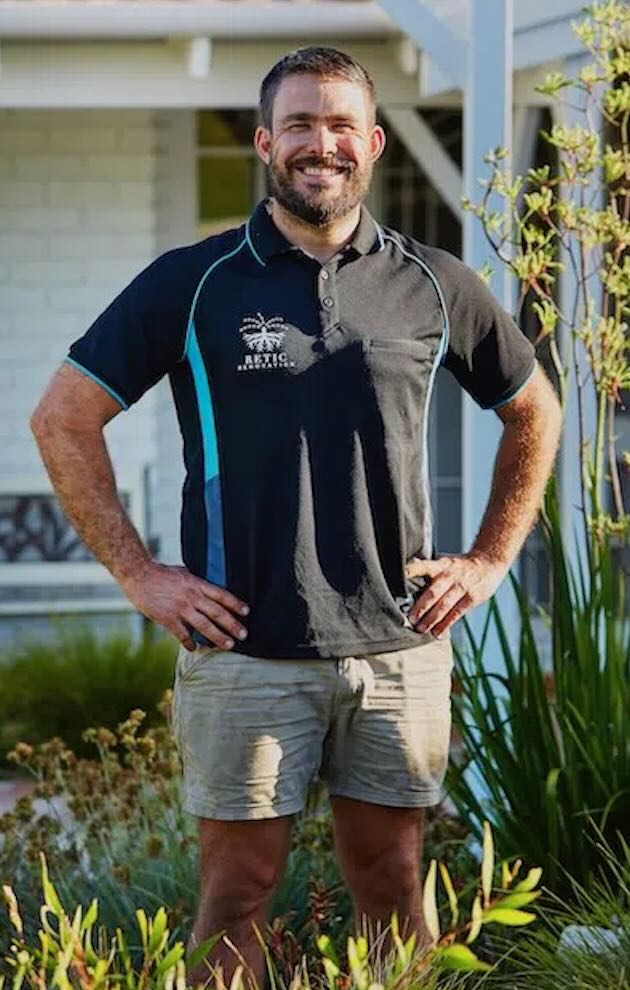
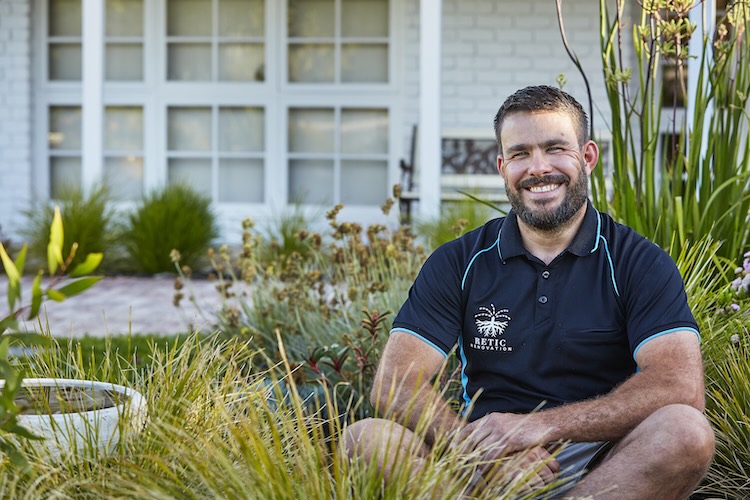
Why Choose Me?
My mission is simple: to show people just how stunning and rewarding native gardens can be when they’re designed and installed properly. Here’s what that looks like in practice:
- 20+ years of landscaping and reticulation experience working with Perth gardens and local conditions.
- Beautiful native garden installations designed to suit Perth’s climate and natural landscape.
- Quality workmanship with careful attention to detail on every project.
- Proper site and soil preparation to help native plants establish and thrive long term.
- Going above and beyond to deliver gardens that look great and perform properly for years to come.
If you’re interested in creating a beautiful native garden that lasts, enquire now.
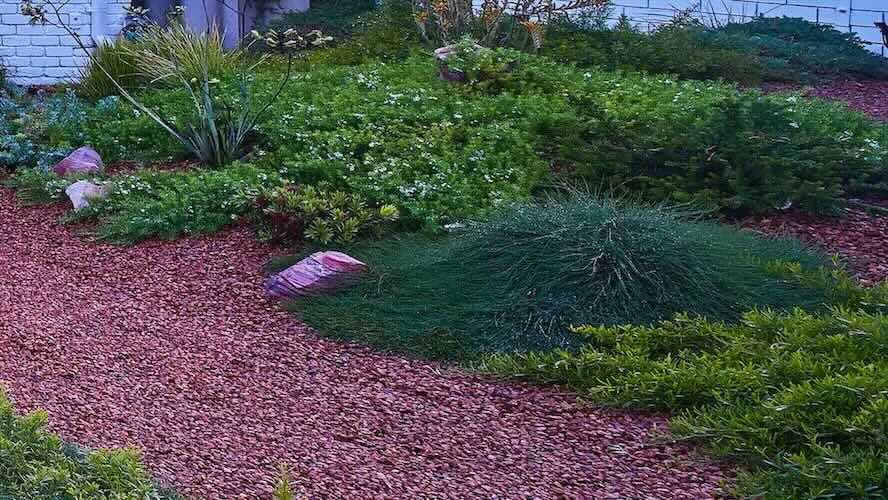
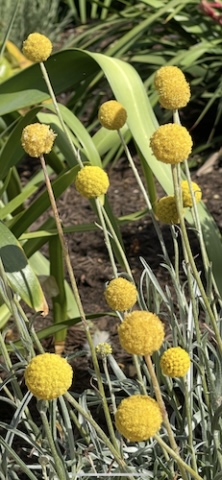
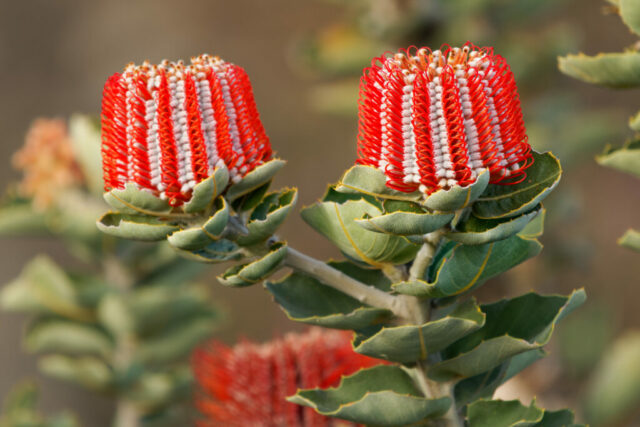
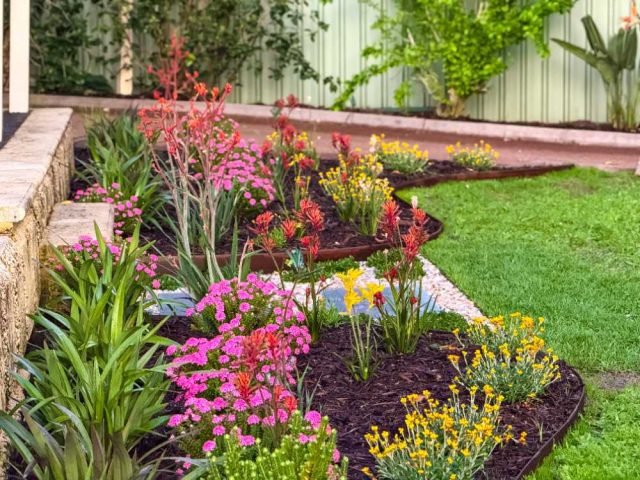
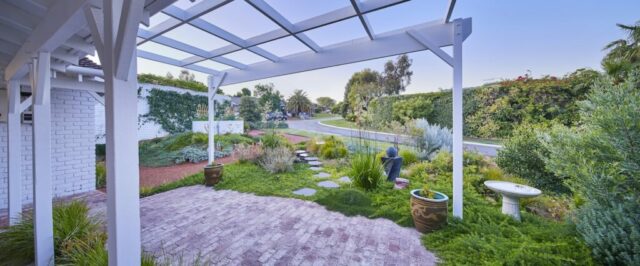
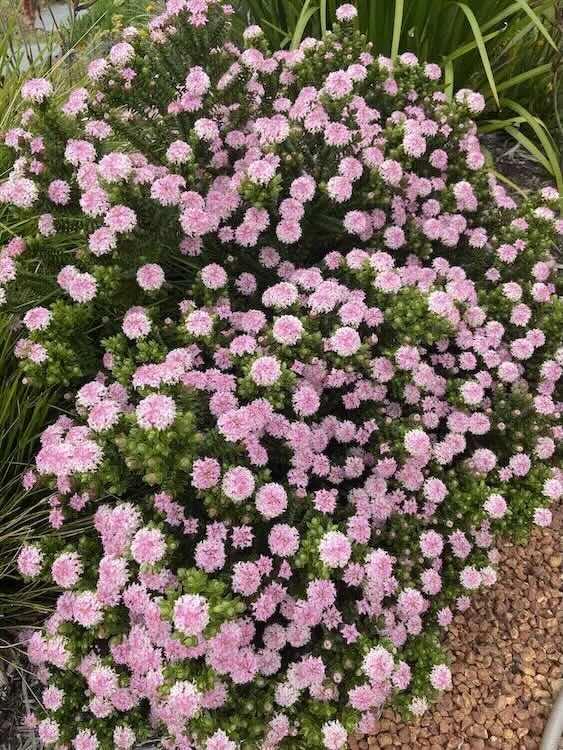
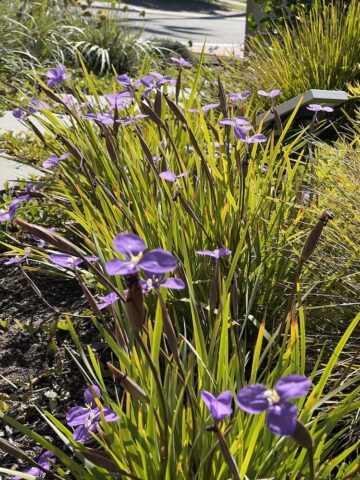
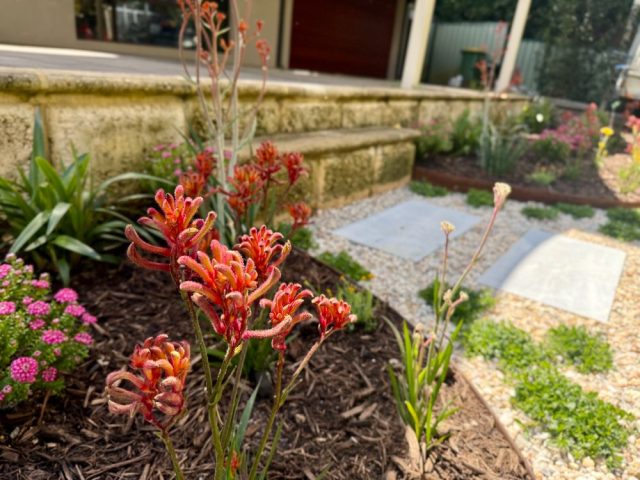
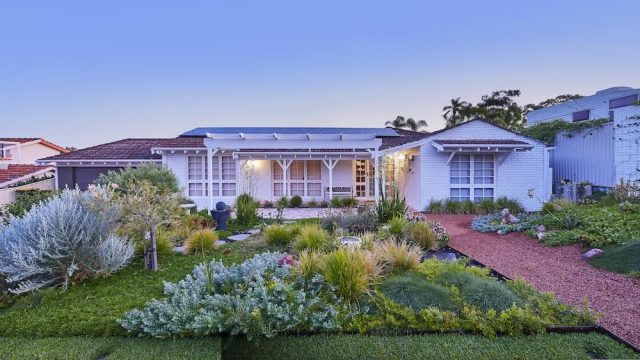
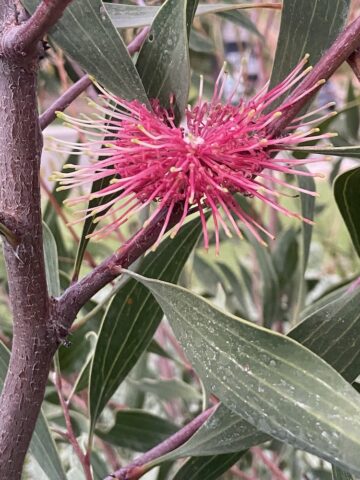
Design a Native Garden That’s Modern, Inviting, and Full of Life
×
![]()
Hear From My Clients


Our Landscaping Process: Budget and Planning
How much does a native garden cost? One of the most important steps when planning a new garden is setting the right budget from the beginning.
While native gardens can absolutely save money in the long term — by reducing water use, minimising maintenance, and supporting local biodiversity — there’s still a cost involved in getting it done properly.
We often find that people have unrealistic expectations when it comes to landscaping costs. So let’s break it down with a simple example:
Let’s say you’re working with a 100m² area that needs to be landscaped or re-landscaped.
A minimal planting rate might be two plants per square metre — which is still quite sparse for many native gardens. That’s 200 plants. At an average of $20 per plant, that’s $4,000 just in plants.
Add a large skip bin for site cleanup and removal — roughly $500.
That’s already $5,000, and we haven’t included:
- Irrigation systems
- New soil and compost
- Bobcat work or excavation
- Paving, edging, or gravel
- Feature trees, rocks, or timber
- Site-specific preparation (e.g. digging gravel or sand beneath certain species)
- Labour, project management, and landscape design fees
You can quickly see how costs add up. That’s why having a realistic budget is essential. Whether you’re building a brand-new garden or renovating an existing one, proper planning makes all the difference — and that includes budgeting for quality materials, expert input, and long-term success.
For these reasons, it’s rare to start a high-quality native garden project — even for a small area — for under $10,000.
Typical project range: $15,000–$100,000+
Most native garden projects fall between $30,000 and $80,000, depending on size, material selection, and scope.
Smaller areas or partial sections are often less — every job is different, and we tailor each one to suit your space and goals.
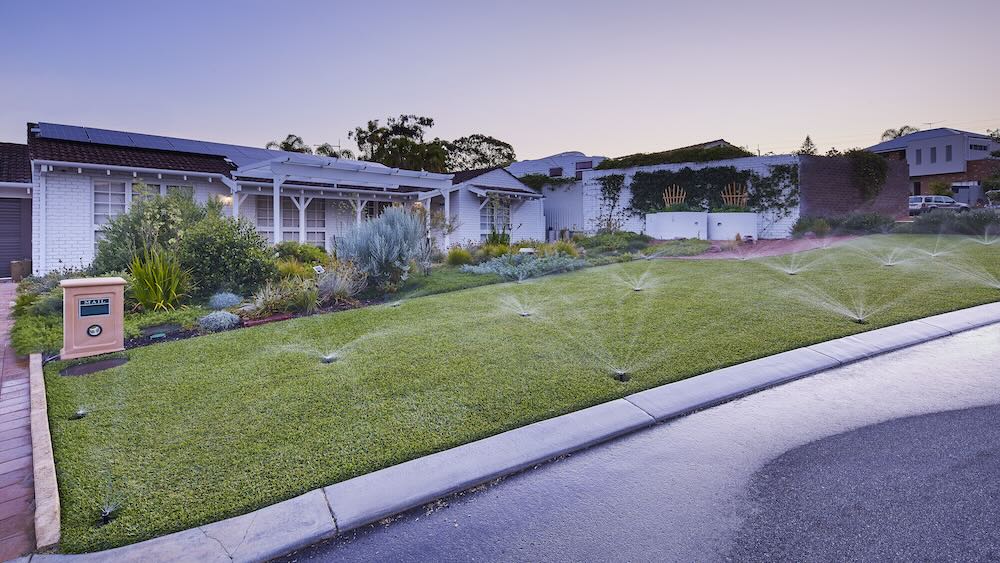
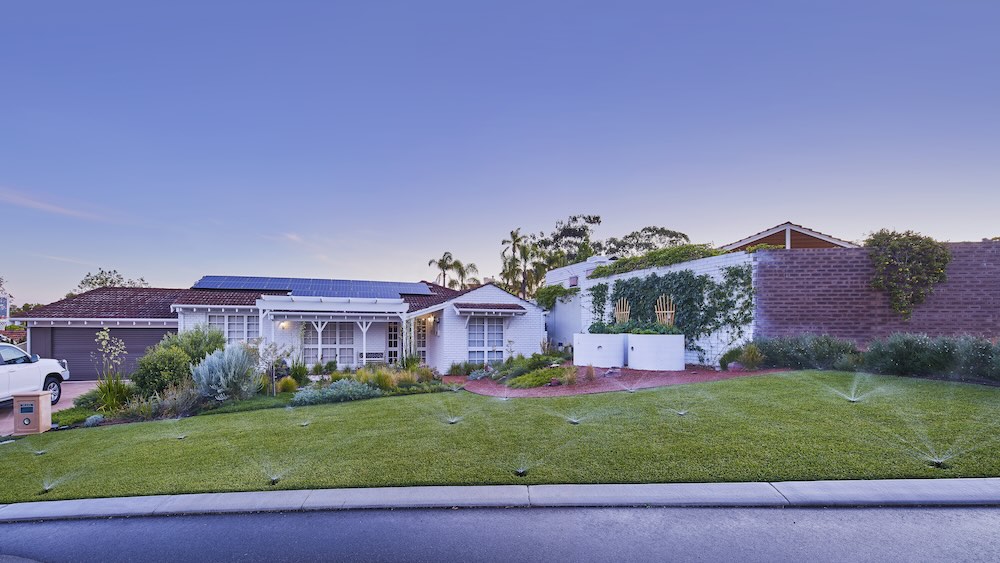
The Importance of Proper Garden Design
When it comes to native garden design, one of the most important things to consider is how the garden will look in the future. What will this space become in five years’ time? How will trees mature, how far will shrubs spread, and how much shade will be cast as everything grows?
Visualising the mature garden before planting is essential. This step shapes the entire layout — what plants go where, how they’re grouped, and how your garden will evolve over time. Unfortunately, this level of thought and planning isn’t something that can be done through a quick, free quote — and to be fair, no one has the time or experience to provide that kind of value for nothing.
Native gardens need to be designed carefully. The right species need to be selected for the space, zoned according to their water requirements, and placed in areas that suit their light and soil preferences. It’s not just about now — it’s about what that space becomes as it matures.
This is where landscape design comes in.
Designing a garden isn’t just about creating something that looks good on day one — it’s about setting it up to thrive long-term. That takes time, experience, and an understanding of both the plants and the environment they’re going into.
For us, the garden is the true feature. And great gardens don’t just happen by chance. They are the result of proper planning — and there’s a cost involved in doing that well.
What we generally do is provide a quote for the design of the garden. Once the design has been created — with plant placement, layout, and zoning all carefully considered — we can then provide a detailed quote for the installation of that specific design.
This two-step process ensures that the installation quote reflects the actual scope of work required, not a guess. It also ensures your investment results in a garden that will work, last, and look amazing for years to come.
Visual Structure and Layering
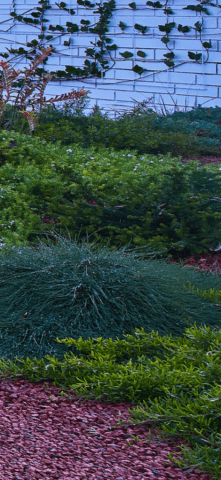
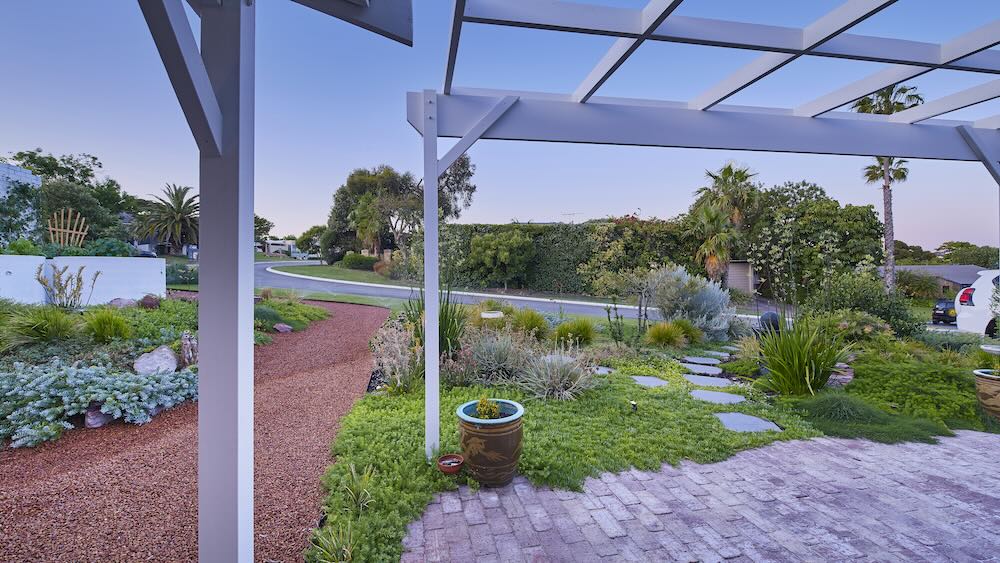
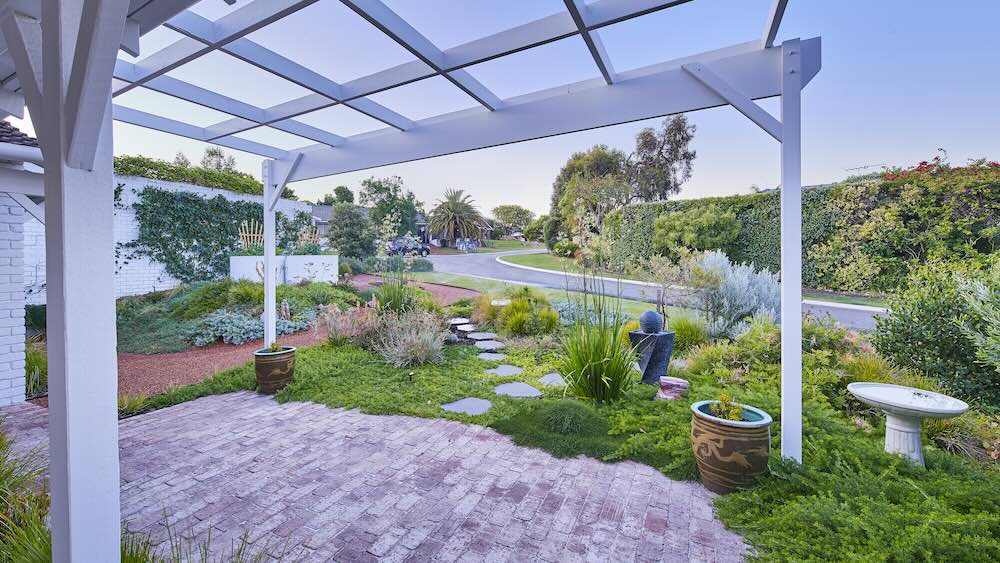
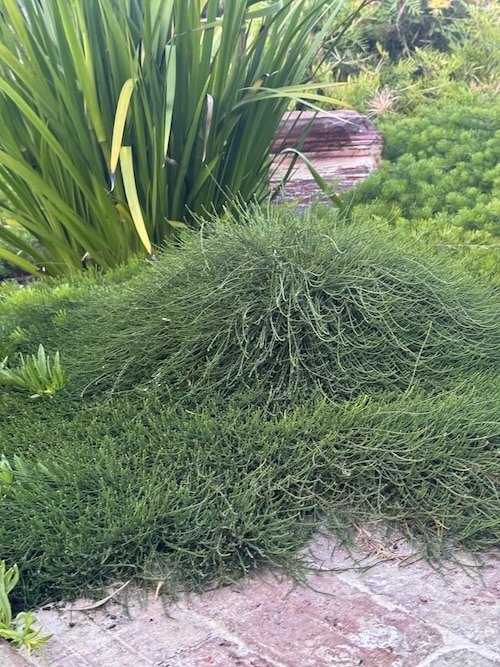
When designing a native garden, structure matters just as much as plant choice. By using a combination of low ground covers, mid-height shrubs, and taller screening or feature trees, you create visual layers that feel full, balanced, and natural. This also helps hide the woody bases of taller shrubs and keeps your garden looking tidy and intentional.
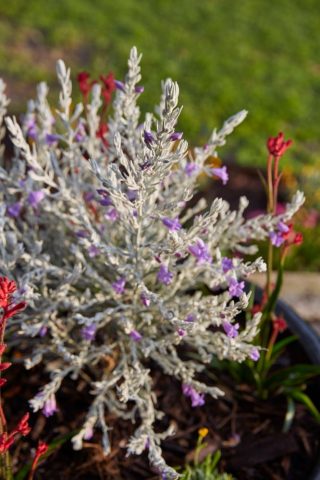
Contrasting leaf textures, shapes, and colours help define zones and create strong, eye-catching combinations. With the right layout, your garden will look good from every angle — and feel cohesive from one season to the next.
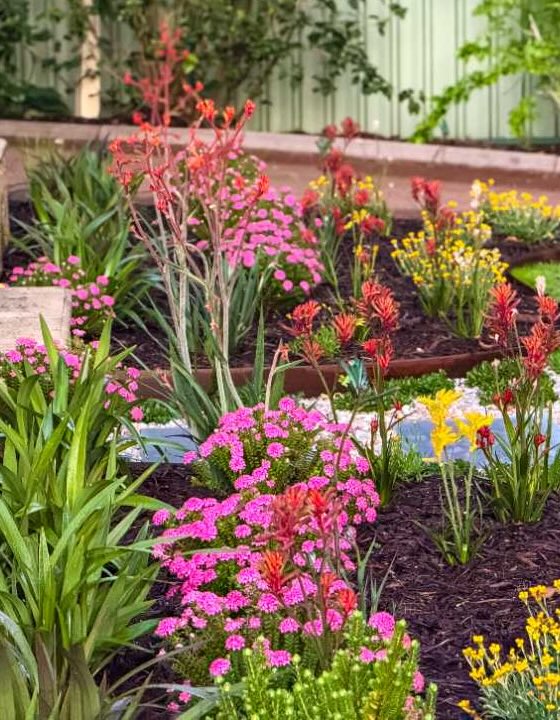
Why Choose a Native Garden?
When many people think of native gardens, they picture something dry, sparse, or outdated — but nothing could be further from the truth.
A native garden can be vibrant, modern, and full of life when it’s thoughtfully planned. You can still incorporate features like a beautiful lawn, seating areas, a pergola, patio, or even a pool (We don’t do hardscaping, structures, etc. — but we can work with you to create a beautiful garden that integrates with these features you may already have). And if we use natural materials such as stone, timber, and gravel, we can create a garden that has a truly spectacular, uniquely Australian feel.
There are countless shrubs, trees, ground covers, grasses, strappy-leaf plants, and small bushes of all shapes, sizes, and colours to choose from — all of which can be used to create a beautiful garden that supports the structure of your home and yard, while adding interest and visual appeal.
We live in a beautiful, sunny corner of the world — so let’s make the most of it. By embracing our local climate and the incredible diversity of native plants that WA has to offer, we can create gardens that thrive, support wildlife, and feel truly connected to place.
Hundreds of Beautiful Native Plants to Choose From
Viola banksii
Common Name: Native Violet
Plant Size: 0.4m high x 2m wide
White-Violet
Westringia ‘Blue Gem’
Common Name: Native Rosemary
Plant Size: 1-1.5m high x 0.8-1.3m wide
Blue-Purple
Westringia ‘Wynyabbie Gem’
Common Name: Coastal Rosemary
Plant Size: 1.5m high x 1.5m wide
Mauve
Westringia fruticosa ‘Smokey’
Common Name: Variegated Coastal Rosemary
Plant Size: 1.5m high x 1.5m wide
White
Westringia frutiscosa
Common Name: Coastal Rosemary
Plant Size: 1.5m high x 1.5m wide
White
Westringia Jervis Gem
Common Name: Coastal Rosemary
Plant Size: 1.5m high x 1.5m wide
Mauve-Purple
Xanthorrhoea preissii
Common Name: Grass Tree
Plant Size: 5m
White
Verticordia mitchelliana
Common Name: Rapier Featherflower
Plant Size: 1.5m high x 3m wide
Red
Verticordia monadelpha
Common Name: Woolly Featherflower
Plant Size: 1.5m high x 1m wide
Pink
Verticordia nitens
Foliage
Verticordia plumosa
Foliage
Xylomelum angustifolium
Common Name: Woody Pear
Foliage
Scaevola aemula ‘Mauve Cluster’
Common Name: Fan Flower
Plant Size: 0.2-0.3m high x 0.5-1m high
Mauve-Purple
Scaevola aemula ‘Purple Fanfare’
Plant Size: 0.2-0.3m high x 1-2m wide
Purple
Scaevola striata ‘Pink Perfection’
Plant Size: 0.5m high x 1.5m wide
Pink
Verticordia chrysanthella
Common Name: Little Chrysantha
Plant Size: 0.5m high x 1m wide
Yellow
Verticordia densiflora
Common Name: Compacted Featherflower
Plant Size: 1m high x 1m wide
Pink
Prostanthera ‘Minty’
Plant Size: 1.8m high x 1.2m wide
Mauve
Pultenaea pedunculata
Common Name: Matted Bush-pea
Plant Size: 0.6m high x 3m wide
Yellow
Regelia velutina
Common Name: Barren's Regelia
Plant Size: 3m high x 1m wide
Red
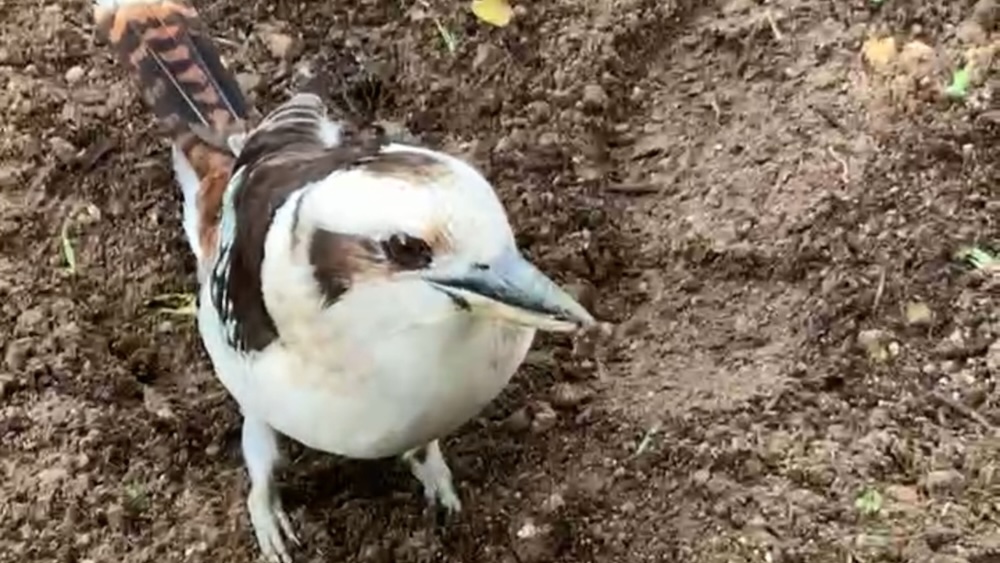
Supporting Native Wildlife — Bees, Birds & More
Native gardens aren’t just about plants — they’re part of a much bigger picture. Local wildlife is under real pressure from habitat loss, development, and changing climates. Some species of birds and insects, including native bees, are now listed as endangered.
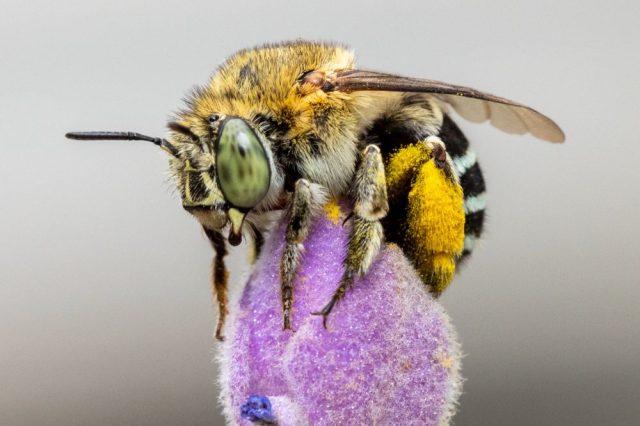
Native bees, unlike honeybees, are mostly solitary. They don’t live in hives — they need small hollows, cracks, and protected spaces to survive. We can support them by creating simple native bee sanctuaries: things like leaving dead wood around or drilling holes into untreated blocks of timber to mimic natural nesting spots. When we include a good mix of flowering plants throughout the year, these little sanctuaries can come to life.
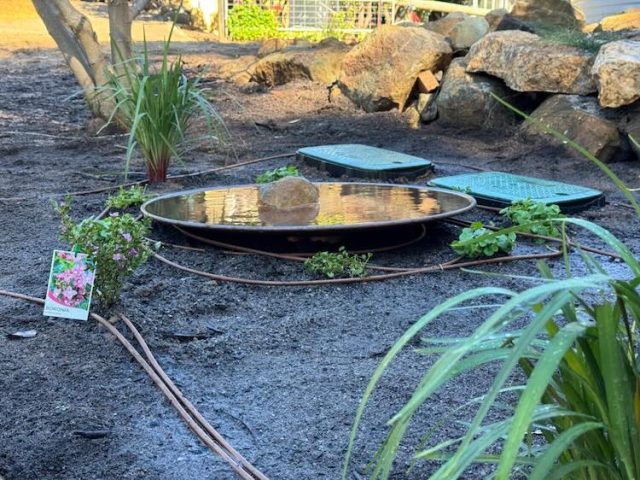
If you want to attract birds to your garden, one of the most important things you can do is provide clean water. Birdbaths — especially when placed in dappled shade and cleaned regularly — are one of the best features you can include. Birds will often return daily to drink and bathe, and over time your garden becomes a safe place they can rely on.
Thoughtfully designed gardens can truly make a difference. And when it’s done well, you’ll start to notice beautiful birds visiting almost year-round. Your garden becomes your own little sanctuary — full of life, sound, and seasonal change.
Wildflowers All Year Round
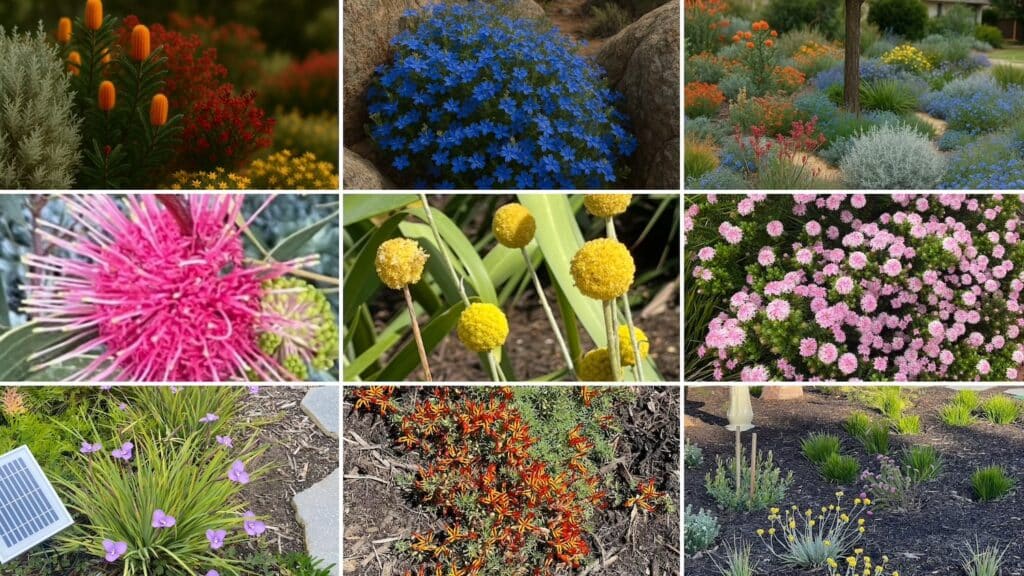
If planned well, a native garden can deliver colour in every season — not just spring. With careful plant selection, you can have flowers blooming through spring, summer, autumn, and winter. The key is to mix ground covers, shrubs, and trees that flower in different seasons. This gives year-round interest and ensures that pollinators and birds always have access to something, even in the cooler months.
Below are some natives that can flower in different seasons.
Lower Maintenance and Care
Native gardens are lower maintenance than traditional gardens — but they’re not no-maintenance. To keep them looking their best, it’s important to understand a few key points:
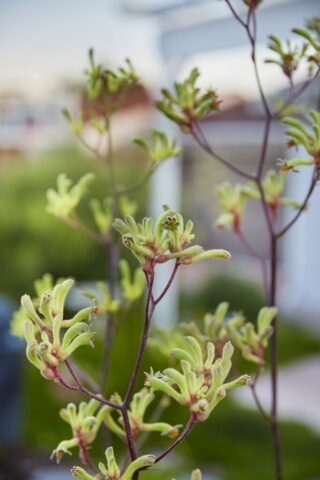
- Kangaroo paws, for example, benefit from being cut back hard after flowering to encourage fresh new growth.
- Different species need pruning or trimming at different times of year — and knowing when to cut back each plant ensures they stay neat, healthy, and floriferous.
- Many native plants require low-phosphorus fertilisers. Using the wrong type can damage roots or reduce flowering.
- Mulching, weed control, and occasional shaping help keep the garden fresh as it matures.
Even five to ten minutes every couple of weeks can keep your native garden looking brilliant. With the right care, your garden will thrive — full of seasonal change, colour, and life.
Watering Requirements and Important Notes on Zoning
Some native plants — especially wildflowers and flowering shrubs — need extended dry periods to properly flower.
If they’re watered too frequently, especially during summer, they may never bloom the way they should. Other plants, on the other hand, are water-demanding and require a bit more attention.
Because of this, it’s critical to group plants with similar water needs together. This is where irrigation zoning becomes essential.
Dry-Zone Plants
Dry-zone plants such as Banksia, Eremophila, and Hakea should be planted in areas that receive less water once established.
Moisture-loving plants like Melaleuca, Callistemon, or Boronia benefit from more regular watering, especially in the first year while getting established.
Having both types in the same garden is absolutely possible — but they must be planted in separate zones, each with their own watering schedule. This allows you to tailor irrigation to suit the needs of the plants and avoid damaging more delicate species.
Drip Irrigation
It’s no secret — we live in a dry climate, and water is becoming increasingly expensive. If you have a large mains-operated irrigation system watering your standard thirsty non-Australian native garden and lawn, you can expect to have fairly large water bills. Of course, you can minimise this by using good quality soil, mulch, selecting the right plants, and having waterwise irrigation. The most waterwise plants you can have is a native garden. With our growing population and decreasing rainfall, it’s important that we all do our part to look after our planet. Decreasing rainfall can be a good reason to install a native garden. Native gardens are a perfect way to reduce the amount of water you spend. Save money on water — put more of it back into your garden.
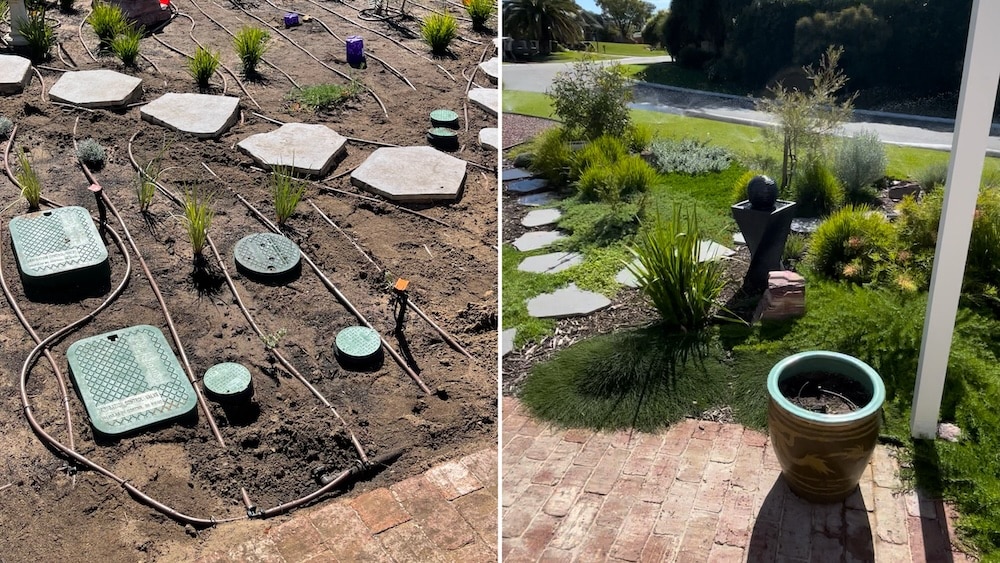
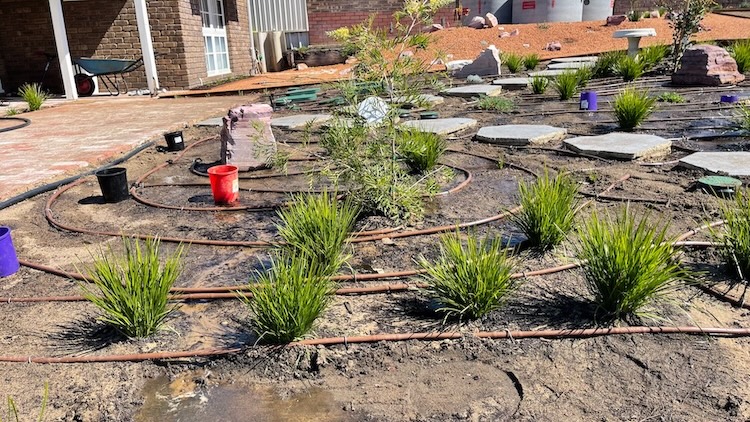
Subsurface drip irrigation can be a great way to irrigate a native garden. Aside from the obvious benefits (delivering water right to the root zone, reduced evaporation, etc.) one of the main benefits is that it’s hidden!
How Quickly Do Native Gardens Grow?
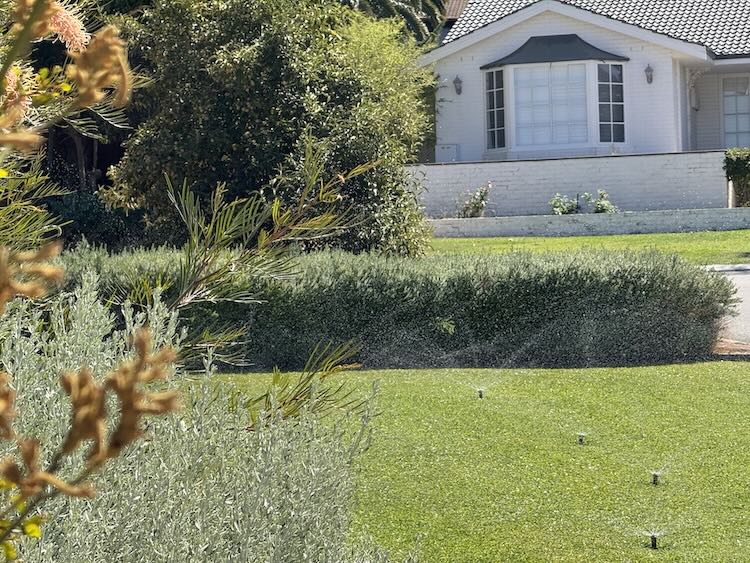
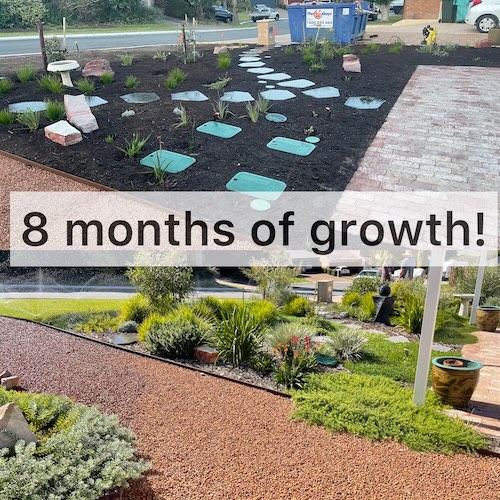
Native gardens grow extremely fast after planting. This makes it much more challenging to set out a spray system on risers or with pop-ups as plants end up blocking sprays. A subsurface drip system allows for rapid, varied growth in plants without compromising on coverage. Drip systems do need to be set up correctly to work properly, so engaging a professional who understands and works with this type of irrigation is really important. But if it’s installed correctly, it will pay dividends in establishing your garden.
Other Options
Another waterwise option is MP Rotator spray nozzles. These put out a heavy, slow-moving droplet that cuts through wind and lands gently on the soil, allowing deeper penetration and reducing runoff or evaporation. They’re great for larger lawn areas or places where drip irrigation isn’t practical.
Lawns and Native Gardens
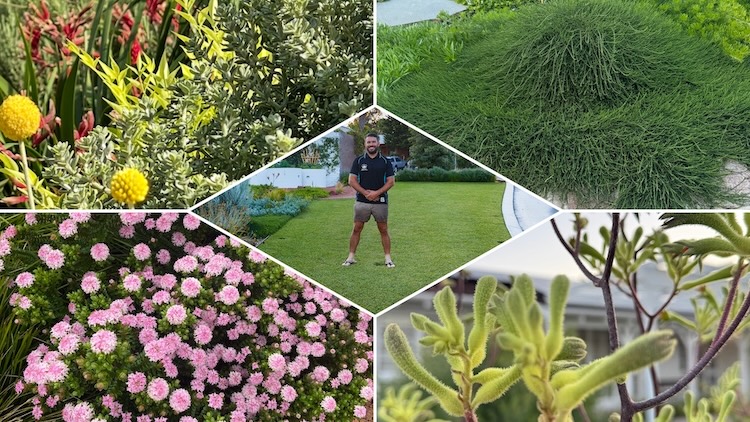
Although we believe in reducing the size of lawn, that doesn’t mean you can’t include one.
With good soil preparation, waterwise irrigation, and the right positioning, a well-planned lawn can become a standout feature within a native garden.
Minimising your lawn area can also help reduce your water footprint while still leaving space for play, pets, or relaxation.
About Me
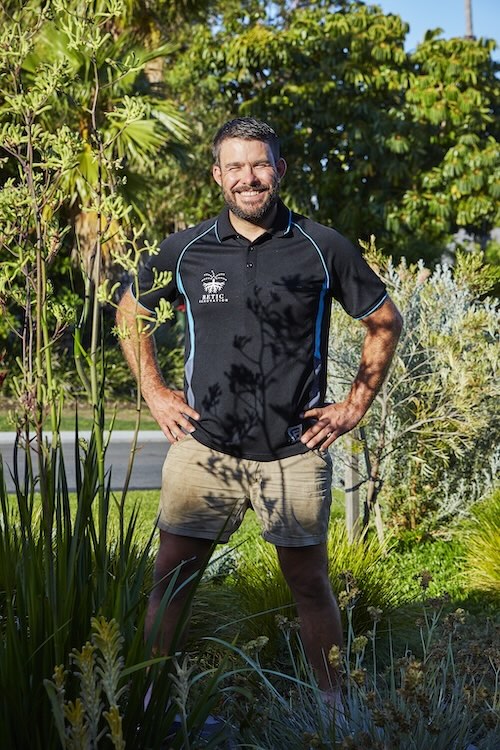
I grew up on a farm in Western Australia and spent countless hours as a young boy running through the bush — especially during wildflower season. That experience stuck with me. I’ve always felt connected to the natural beauty of our landscape and the incredible diversity of native flora we have here.
After 20 years in the landscaping industry, I saw a unique need emerging: people wanted beautiful gardens, but the planet needed something more. Habitat loss and poor urban planning have led to a massive decline in biodiversity. Native gardens, when installed thoughtfully, offer a way to restore that balance — one backyard at a time.
Retic Renovation was born out of that vision. It’s not just about plants — it’s about creating places that feel alive.
FAQs
Yes. While native gardens are generally lower maintenance than traditional gardens, they still require seasonal care. Some plants, like Kangaroo Paws, benefit from being cut back after flowering to promote fresh growth. Other species may need light pruning to maintain shape or remove woody stems. Regular weeding, mulching, and occasional fertilising (with a low-phosphorus native blend) will help keep your garden looking its best.
Yes, absolutely. Many of our native garden projects include lawns. A well-chosen lawn species, such as Village Green Kikuyu, can be a beautiful and practical feature within a water-wise native garden. The key is selecting the right grass for your site and installing it properly with good soil and efficient irrigation.
Yes — if installed correctly. Native plants are perfectly suited to Perth’s dry conditions and often require far less water once established. That said, not all natives are drought-tolerant. Some require more water, particularly during establishment or in summer. When combined with proper soil preparation, mulch, and waterwise irrigation like dripline, native gardens can be significantly more efficient than traditional landscapes. Every garden is different, and we’ll help you choose plants and irrigation that suit your needs.
Yes. We often incorporate elements like recycled red bricks, timber, stone, gravel paths, and birdbaths to create a uniquely Australian look and feel. These materials complement native plants and help create structure, interest, and habitat. We also work with you to ensure the garden suits existing features like pergolas, pools, or paved areas (please note: we do not build hardscapes ourselves, but we design around them).
Yes. We offer a full service, from professional design through to installation. Every native garden is different, so we take the time to understand your space and goals. If you’re ready to get started, we can begin with a design consultation and work from there.
Of course. Check out our blog which covers 60 Australian native plants for Perth gardens for a list of our favourites.
Tell Us a Bit About Your Project
We’d love to understand your goals for your garden and what you’re hoping to create.